
Agenda
Filtering by
Monday, October 26, 2026
5:30 pm
Opening Reception
1 hr
Floor 42
Tuesday, October 27, 2026
8:00 am
Registration and Networking Breakfast
45 min
Zurich E/F
8:45 am
Welcome Remarks
5 min
Zurich A/B/C/D

8:50 am
Keynote This Is the Moment: Unlocking the Future of Small Business
25 min
Zurich A/B/C/D

Small business owners are entering a new era: they can start faster, operate leaner, and scale with AI-enabled tools that were once available only to larger companies. But abundant information does not eliminate the need for trusted guidance, and it raises the bar for banks. In this keynote, Claudia will explore how owners’ needs are changing, why banks must move from transactions to expertise, and how the industry can build deeper relationships across the full client continuum from starting and operating to funding, protecting, and scaling a business. Small business banking sits at the intersection of entrepreneurship, technology, capital, and human expertise. The institutions that thrive in the years ahead will be those that use innovation to deepen relationships, not replace them, and help business owners navigate every stage of growth with confidence. As entrepreneurs redefine what’s possible, banks have an opportunity to redefine the value they deliver. The future of banking is being written through the small business experience, and there has never been a more exciting time to be part of that journey.
9:15 am
Agentic AI: From Copilot to Autopilot in Small Business Relationship Management
35 min
Zurich A/B/C/D



The next wave of artificial intelligence goes beyond better tools—it gives them autonomous agents. This session explores what agentic AI means for the future of relationship managers, and how institutions are deploying AI systems to proactively identify cross-sell opportunities, flag at-risk relationships, prepare call briefs, and automate follow-up at scale. Industry leaders will debate where autonomous AI delivers the greatest competitive advantage, where human judgment remains irreplaceable, and how banks are building the governance frameworks needed to deploy agentic systems responsibly. The discussion will examine what the institutions moving first are learning—and what everyone else risks by waiting.
9:50 am
Embedded or Invisible: How Banks Can Win in a World Where Finance Lives Inside Other Platforms
35 min
Zurich A/B/C/D

Amanda Coleman
Head of Embedded Deposit Partnerships and Issuing
Thread Bank

Ana Liza Grandner
Chief Payments Officer
First Bank of the Lake
Small businesses are turning away from financial institutions and seeking better, more affordable services from rival fintechs and neobanks. This session explores how banks can regain competitive advantage in the new battleground for the SMB relationship. At issue: how banks bring accounting, payroll, and e-commerce services to small business clients who are eager to manage cash flow more effectively. Industry leaders will debate where the embedded finance opportunity is greatest, where the threat of disintermediation is most acute, and what a winning app or platform strategy looks like for large and small banks and credit unions. The discussion will examine how banks are deciding whether to build or partner, and how to stay at the center of the small business banking relationship.
10:25 am
Networking Break in the Exhibit Hall
45 min
Zurich E/F
11:10 am
The Deposit Retention Toolkit: Strategies for Winning and Keeping Small Business Relationships Away From Neobanks and Fintechs
35 min
Zurich A/B/C/D

Welles Borie
Principal Technical Product Manager
FIS

Shawn Main
EVP, Chief Business Architect
Vantage Bank Texas

Ben Shoemake
Head of Small Business Banking
First Horizon Bank
Small business deposits are among the most valuable assets in banking—low-cost and relationship-anchoring. They are also increasingly under siege. Neobanks and platform-native financial services are targeting small business owners with digital-first experiences and seamlessly integrated tools that many traditional institutions still cannot match. The banks and credit unions winning the deposit battle in 2026 are competing not just on rate, but on speed, simplicity, and the genuine sense that their institution is invested in the success of the businesses they serve. This session delivers a practical, immediately applicable toolkit for winning new small business deposits and—more importantly—retaining the relationships you already have, including what is working right now, what has failed, and what every institution needs to do differently to stop losing ground.
11:45 am
Fireside Chat Ahead of the Ask: Banking Built for the Customer of the Future
25 min
Zurich E/F

Small business owners are done waiting on their bank. They want a partner who already knows what’s coming—a cash gap before it hits, a financing offer before they apply, advice before a problem becomes urgent. This keynote traces what research says small businesses want most and what they expect from their bank over the next 3-5 years. The data is consistent: trust remains the top driver of satisfaction, but trust alone is no longer enough. Small business owners want speed, transparency, and a banking experience built around how they actually run their businesses.
12:40 pm
Innovation Luncheon Unlocking the Small Business Opportunity: Win Deposits, Deepen Relationships, and Compete in the Digital Era
1 hr 15 min
Lobby

Small businesses represent one of the largest underdeveloped growth opportunities for financial institutions — yet many still rely on fintechs and disconnected platforms to manage critical operations. This session explores how financial institutions can position themselves as trusted financial and technology partners for entrepreneurs and growing businesses. Drawing on industry research, executive benchmarks, and real-world examples, attendees will gain insight into emerging small business trends, evolving owner expectations, and the growing role of payments, embedded fintech, and AI in shaping banking relationships. Participants will learn how to identify hidden business relationships within their existing customer base, overcome common pain points, segment small business clients effectively, and develop a scalable strategy that drives deposits, engagement, and loyalty — while preparing for the competitive landscape ahead.
1:55 pm
Credit Without Barriers: A Practical Framework for Expanding Small Business Loan Access Without Expanding Risk
40 min
Zurich A/B/C/D

Devon Bray
EVP, Director of Business Banking & SBA
Hancock Whitney

Oscar Johnson, Jr.
Head of Business and Community Banking Strategies
Wintrust
Women-owned businesses represent 42% of all U.S. businesses yet receive just 4% of small business loan dollars. This session explores the largely untapped market opportunity represented by underserved entrepreneurs—and the specific tools, data sources, and underwriting models allowing institutions to say yes to more small businesses profitably and at scale. Industry leaders will examine how AI-powered underwriting is making it possible to evaluate non-traditional data, reduce decision-making subjectivity, and extend credit to businesses traditional models have historically passed over. The discussion will address what it actually takes to build or expand a lending program that reaches minority-, women-, and rural-owned businesses without expanding risk—and how the institutions doing it right are turning inclusive lending into a genuine competitive advantage.
2:35 pm
The New SBA Landscape: What the 2026 Rule Changes Mean for Lenders and Small Businesses
40 min
Zurich A/B/C/D

Timothy Little
Managing Director, Business Banking Midwest Region Executive
Bank of America

Daniel Pische
Director, Office of Financial Assistance
SBA

While the SBA has expanded capital access for high-growth businesses, its recent rule changes could present challenges for banks. While SBA borrowers can now combine 7(a) and 504 loan limits for up to $10 million—double the previous limit—banks must now meet more rigorous SBA-specific loan guidelines, reducing underwriting flexibility.
3:15 pm
Networking Break in the Exhibit Hall
40 min
Zurich E/F
3:55 pm
Case Study Augmentation, Not Automation: A Community Bank’s AI Case Study in Relationship Banking
30 min
Zurich A/B/C/D

Sudharshan Krishnan
Head of GTM
Sympera Inc.

Michael Minetti
SVP, Retail Sales Manager
Republic Bank of Chicago
As business clients expect more proactive, informed banking, innovative community and regional banks are using AI to help commercial bankers spot opportunities earlier, engage prospects with more relevance, and bring consistency to business development. The premise is simple: AI won’t replace relationship managers – it helps them know who to call, why, and what to discuss. This session follows one community bank from pilot to bank-wide rollout across its relationship-manager teams, what the market managers actually experienced, the operating-model changes it required, and the results it produced. Such transformation is enabling banks of any size to compete for commercial relationships against the AI budgets of the largest banks.
4:25 pm
Roundtable Banking: Peer-Driven Practices to Amplify the Future of Small Business Banking
45 min
Zurich G
1. AI and the Reinvention of Small Business Banking 2. Cash Flow, Credit, and the Future of Lending 3. Payments, Deposits, and Treasury as Growth Engines 4. Fraud and Cybersecurity in the AI Era 5. On-Chain Finance, Stablecoins, and the Next Financial Infrastructure
Roundtable Credit Union: Peer-Driven Best Practices for Competing for the Small Business of the Future
45 min
Zurich G
1. Modernizing Your Technology Stack 2. Competing for and Keeping Small Business Members 3. Scaling Small Business Lending to Compete With Banks and Alternative Lenders 4. Managing Fraud, Risk and Regulatory Complexity 5. Reaching Underserved Small Business Members Profitably
5:10 pm
Reception
1 hr 15 min
Zurich E/F
Wednesday, October 28, 2026
8:55 am
Opening Remarks Day 2
5 min
Zurich A/B/C/D
9:00 am
Keynote The Owner’s Lens: Building the Future of Small Business Banking
25 min
Zurich A/B/C/D
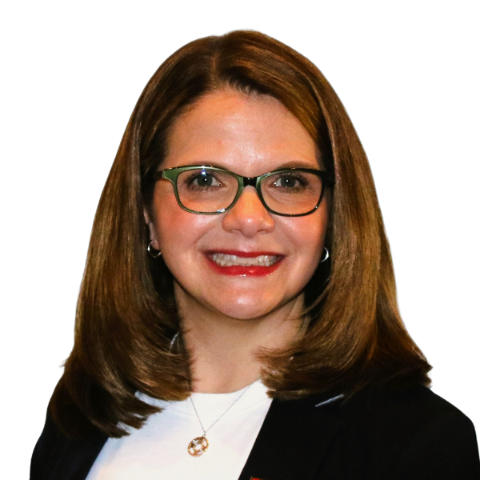
Small business owners do not wake up thinking about banking. They wake up thinking about making payroll, managing cash flow, finding customers, retaining employees and growing their businesses. Yet as economic uncertainty, technological change and competitive pressures continue to accelerate, the role banks play in helping business owners navigate these challenges has never been more important.
9:25 am
The Rise of Fraud and Curtailing Its Sprawling Risk
30 min
Zurich A/B/C/D

Tom Gregory
SVP, Head of Treasury Management, Merchant & Government Banking
TD Bank U.S.

Shawn O'Brien
EVP, Consumer and Business Banking
Atlantic Union Bank
Small businesses are the fastest-growing target of financial fraud and most of them aren’t adequately—if at all—protected. This session explores the rapidly evolving fraud landscape confronting small business owners, from business email compromise and synthetic identity fraud to account takeover and payment scams. Industry leaders will examine why small businesses have become the primary target of sophisticated attackers, how treasury management solutions are emerging as a critical line of defense for visibility, and how to gain greater control over payment flows. The key for banks: moving from reactive loss management to proactive, relationship-defining protection. The discussion will address how institutions are turning their commitment to small business security—and the treasury management tools that support it—into a competitive differentiator that fosters loyalty and drives retention
9:55 am
Demo SMB Banking Technologies
1 hr
Zurich A/B/C/D






10:55 am
Networking Break in the Exhibit Hall
30 min
Zurich E/F
11:25 am
From Invoices to Instant Liquidity: Can On-Chain Finance Actually Fix SMB Cash Flow?
40 min
Zurich A/B/C/D

Chris Nichols
President, Institutional Banking
SouthState Bank

Blake Weathers
SVP, Business Lending and Account Services
America First Credit Union
Small businesses rarely fail from lack of demand—they fail from delayed access to cash. This panel explores whether on-chain finance can fundamentally reshape SMB liquidity through tokenized invoices, real-time settlement, and programmable working capital. Industry leaders will debate whether these models truly reduce friction and expand access to capital, or simply introduce new operational, regulatory, and adoption challenges. The discussion will examine how banks, fintechs, and digital asset infrastructure providers are rethinking supply chain finance, receivables, and the future of SMB liquidity.
12:35 pm
Innovation Luncheon Innovation Luncheon
1 hr 15 min
Lobby
1:50 pm
Practical Strategies for Solving the Payments Gap: Delivering on Speed and Integration
35 min
Zurich A/B/C/D

Stacy Armijo
Chief Experience Officer
Amplify Credit Union

Brian Waldron
President & CEO
Dort Financial Credit Union
Small business owners expect instant, seamless payments from their banks—anything less could be a deal breaker. This session explores the practical steps needed to close the payments gap—which is impacting some institutions’ small business relationships—and deliver a better, faster, more integrated customer experience for small businesses.
2:25 pm
What Do Small Businesses Want From Banks? Transparency, Guidance and Access to Capital
35 min
Zurich A/B/C/D

James Duff
Head of Business Banking
BMO

Elaine Szeto
EVP, Chief Innovation Officer & Founder
Integro Bank

Heather Tuason
Founder, Chairman, and CEO
Arena
The gap between what small businesses want from their bank and what most deliver has never been wider—or more critical. They want transparency around finances, tailored guidance, and access to capital. Yet many banks fail to deliver these, opening the door for small businesses to turn to fintech rivals. This session explores the latest on small business owner attitudes, expectations, and banking behaviors that provide a data-driven picture of where the market segment is headed. Industry leaders will examine what small business owners most want—instant credit decisions, proactive fraud protection, seamless payments, and genuine advisory support—and why so few banks are consistently delivering it. The discussion will address the specific changes in product design, service model, and digital experience that will determine who wins and who loses the small business relationship.
3:00 pm
Fireside Chat Inspiration vs. Accountability: Driving Engagement, Prioritization and Execution
30 min
Zurich A/B/C/D

The gap between what leaders intend to prioritize and what teams actually execute has never been wider, or more consequential. In a fast-moving environment, the line between what is interesting and what is truly important can blur, making it harder to sustain focus while keeping teams engaged and motivated. This fireside chat explores how leaders can drive meaningful colleague engagement while maintaining disciplined sales execution. Patrick Cristino will share perspectives on navigating competing priorities, distinguishing high-impact work from distractions and balancing inspiration with accountability. The discussion will examine how leaders can create clarity, reinforce ownership and translate engagement into measurable performance—ensuring teams stay energized while delivering consistent, results-driven execution.
3:30 pm
Closing Remarks
5 min
Zurich A/B/C/D